
Mechanical repair in Midvale, UT
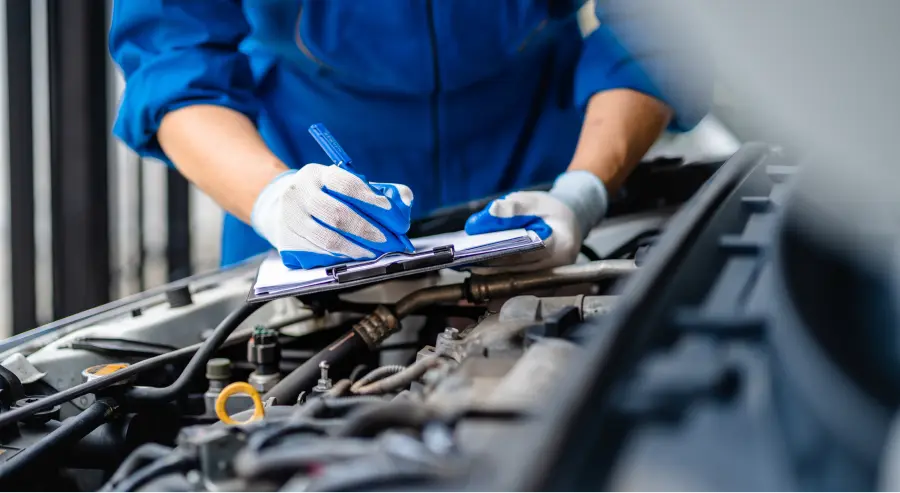
MECHANICAL REPAIR
Keeping your daily driver dependable
From the engine and brakes to the cooling system, battery and belts, the mechanical side of your vehicle is what gets you to work and home again. Utah puts all of it to the test, with cold winter starts, summer heat that strains cooling systems and steep canyon grades that are tough on brakes and transmissions. When something doesn't sound, feel or smell right, it's worth having it looked at before a small issue leaves you stranded. Our team will help you track down the cause and decide on the right next step.
LISTEN TO YOUR VEHICLE
Signs something under the hood needs a look
A check engine light, a temperature gauge that creeps toward hot or a new puddle under your vehicle are all early clues. So are brakes that squeal or grind, an engine that idles rough or hesitates, a vehicle that's slow to start on cold mornings and any burning smell after a drive. Dashboard warning lights are there for a reason, and paying attention to them early usually means a simpler, less costly fix.
OUR APPROACH
Diagnose first, then decide together
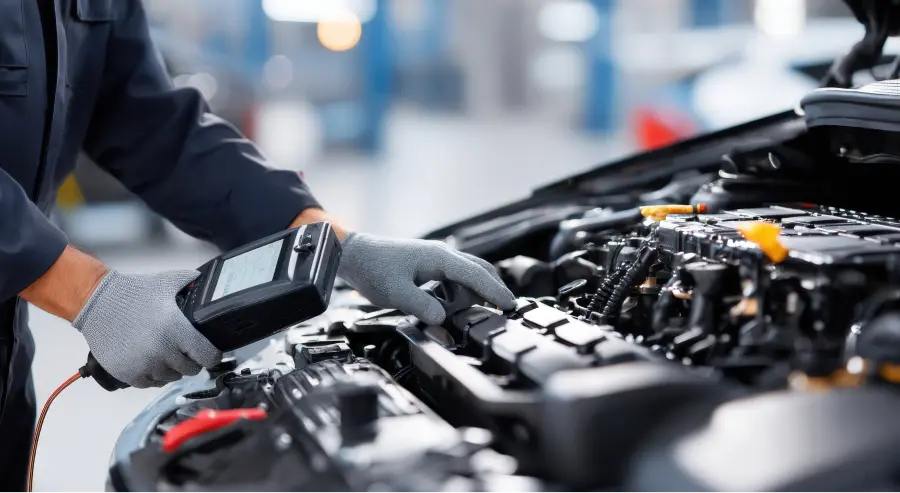
Guesswork gets expensive, so we focus on finding the real cause before recommending a repair. Once we know what's going on, we'll separate what needs attention now from what can wait, explain each option in plain terms and let you make the call. No pressure and no surprises on pickup day. Describe the issue in the form below or call (801) 867-6047 to talk with our State Street team in English or Spanish.
Common mechanical repair questions
Not sure whether that warning light or new noise is serious? Start with the answers below, and if your situation isn't covered, our team is a phone call away.